


Japanese Parenting Style: A Calm, Connected Way to Raise Children
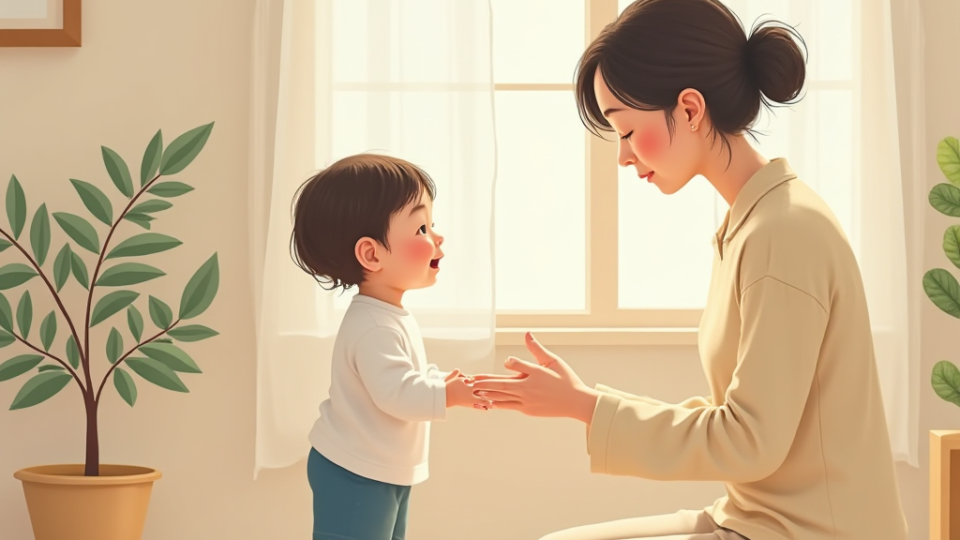
As a parent, I often find myself wondering if there is a gentler, calmer way to raise children-one that doesn’t rely on constant rewards, punishments, or raised voices. Like many parents, I want my child to grow up emotionally strong, kind, respectful, and confident. That curiosity led me to explore the Japanese style of parenting, a philosophy that quietly focuses on connection, respect, and emotional balance.
Across the world, Japanese children are often admired for their independence, calm behavior, and strong sense of responsibility—even at a very young age. What makes this even more fascinating is that this behavior is not enforced through strict discipline or fear. Instead, it grows naturally from the way parents relate to their children.
In this blog, I want to share what I learned about Japanese parenting, how it differs from many modern parenting styles, and how we—as everyday parents—can gently apply these principles at home.
The Core Philosophy Behind Japanese Parenting
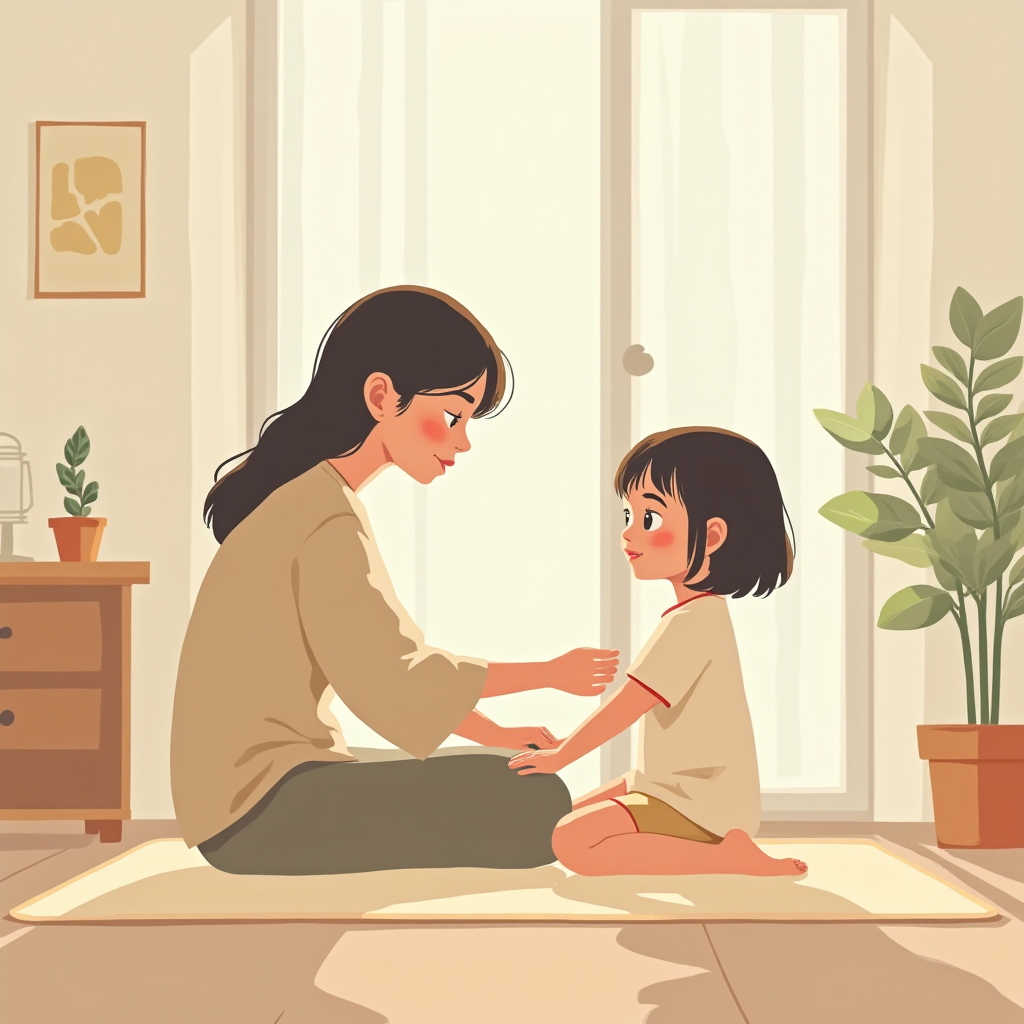
At the heart of Japanese parenting lies a simple but powerful belief: children are inherently good. They are not seen as “misbehaving” or “naughty” by default. Instead, when a child struggles, it is viewed as a sign that they need guidance, connection, or time to mature.
Japanese parents focus less on controlling behavior and more on teaching through daily life. Rather than long lectures or strict rules, children learn by observing their parents, siblings, and society around them. Respect, patience, and responsibility are modeled consistently.
This philosophy aligns beautifully with gentle parenting and is especially effective during the toddler and early childhood years, when emotional foundations are being built.
Amae: The Emotional Bond That Shapes Childhood
One of the most important concepts in Japanese parenting is Amae. While there is no perfect English translation, Amae refers to the deep emotional bond between a parent and child-the sense that a child is fully accepted, loved, and safe.
In the early years, Japanese parents often stay physically and emotionally close to their children. Babies are carried often, toddlers are comforted rather than scolded, and emotional needs are met with patience.
From my own parenting experience, I’ve noticed that when children feel emotionally secure, their behavior naturally improves. Tantrums pass more quickly, resistance softens, and cooperation comes more easily. Japanese parenting strongly supports this idea: connection comes before correction.
Discipline Without Yelling or Punishment
One of the most striking differences in Japanese parenting is the absence of harsh discipline. Yelling, time-outs, and reward charts are not commonly used. Instead, discipline is subtle, calm, and rooted in empathy.
Rather than saying, “Stop that right now!” a Japanese parent might gently explain how an action affects others. Emotional awareness is prioritized over immediate obedience.
Children are encouraged to reflect on their actions. Often, a parent’s calm disappointment-or even silence-communicates more than anger ever could. This approach teaches children to regulate themselves, rather than behave out of fear.
Teaching Responsibility Through Everyday Life
In Japan, children are given responsibility early-not as a burden, but as a natural part of belonging to a family and community.
Young children:
- Put away their toys
- Help set the table
- Carry their own bags
- Participate in simple household tasks
These small responsibilities help children feel capable and valued. They are not praised excessively for doing chores; instead, it is treated as a normal part of daily life.
I’ve personally found that when children are trusted with small tasks, their confidence grows. Japanese parenting reinforces this idea beautifully: responsibility builds self-worth.
Allowing Children to Experience Struggle
Japanese parents are known for their patience. They often allow children to struggle a little-whether it’s tying shoes, solving a problem, or navigating social situations.
Instead of rushing in to fix everything, parents observe quietly. Help is offered only when truly needed.
This teaches children:
- Persistence
- Problem-solving skills
- Emotional resilience
In a world where over-parenting is common, this approach feels refreshing. Children learn that discomfort is temporary and manageable—and that belief stays with them for life.
Respect Is Modeled, Not Demanded
Respect in Japanese culture is deeply rooted, and it starts at home. Children are spoken to politely and calmly. Even during discipline, parents avoid talking down to their children.
Rather than commanding obedience, parents explain why something matters. This helps children understand social harmony and empathy.
When children are treated with respect, they naturally learn to show respect-to parents, elders, peers, and themselves.
The Role of Community in Japanese Parenting
Japanese parenting does not happen in isolation. Children grow up feeling part of a larger community-family, school, and society all play a role.
This communal mindset teaches children that their actions affect others. It also reduces pressure on parents to be “perfect.” Parenting becomes a shared responsibility.
While this aspect may be harder to replicate everywhere, we can still foster community by involving extended family, encouraging cooperation, and teaching children empathy for others.
What Japanese Parenting Gets Right-and Its Challenges
Japanese parenting offers many strengths:
- Emotional security
- Calm discipline
- Independence
- Respectful communication
However, it also requires patience and consistency. Parents must regulate their own emotions first-a challenge in busy, modern households.
It’s important to remember that no parenting style is perfect. The goal is not to copy Japanese parenting exactly, but to adapt what resonates with your family values.
How to Apply Japanese Parenting Principles at Home
Here are simple ways to start:
- Stay calm during tantrums—be present rather than reactive
- Focus on connection before correcting behavior
- Give children age-appropriate responsibilities
- Model the behavior you want to see
- Reduce reliance on rewards and punishments
- Allow children time to struggle and learn
These small shifts can create big emotional changes over time.
Why Stories Matter in Gentle Parenting
Japanese parenting relies heavily on modeling rather than lecturing-and stories are one of the most powerful tools for that.
Through stories, children see emotions, mistakes, kindness, and responsibility in action. This is why I personally believe storybooks are a gentle bridge between values and real life.
When children connect emotionally with a story, lessons stay with them far longer than instructions ever could.
Final Thoughts: Raising Calm Children Starts With Us
Exploring Japanese parenting reminded me that calm parenting is not about doing more-it’s about being more present. It’s about slowing down, trusting children, and guiding them with empathy.
As parents, we don’t need to be perfect. We just need to be consistent, connected, and kind- our children and to ourselves.
If even a few of these ideas help make your parenting journey gentler, then this philosophy has already done its job.
Parenting is not about control. It’s about connection-and Japanese parenting shows us just how powerful that connection can be.
Disclaimer
This blog is written for informational and educational purposes only and reflects personal observations, research, and general parenting philosophies inspired by Japanese culture. It is not intended as professional medical, psychological, or developmental advice.
Every child and family is unique. Parenting approaches that work well in one culture or household may not be suitable for another. Readers are encouraged to adapt ideas thoughtfully and consult qualified professionals if they have concerns about their child’s health, development, or emotional well-being.
The author and website assume no responsibility for outcomes related to the use of the information provided in this article.