


How to Prepare Your Child for School Admission Interviews in India

“What if my child doesn’t answer the teacher?”
That was the question running through my mind as we prepared for our first school admission interview.
Like many parents, I had imagined a picture-perfect scenario. My child would walk into the room, smile confidently, answer every question correctly, and impress everyone.
Reality had other plans.
The entire week before the interview, my toddler happily answered every practice question at home.
“What’s your name?”
Perfect answer.
“How old are you?”
Perfect answer.
“What color is this?”
Instant answer.
Then came the actual interview.
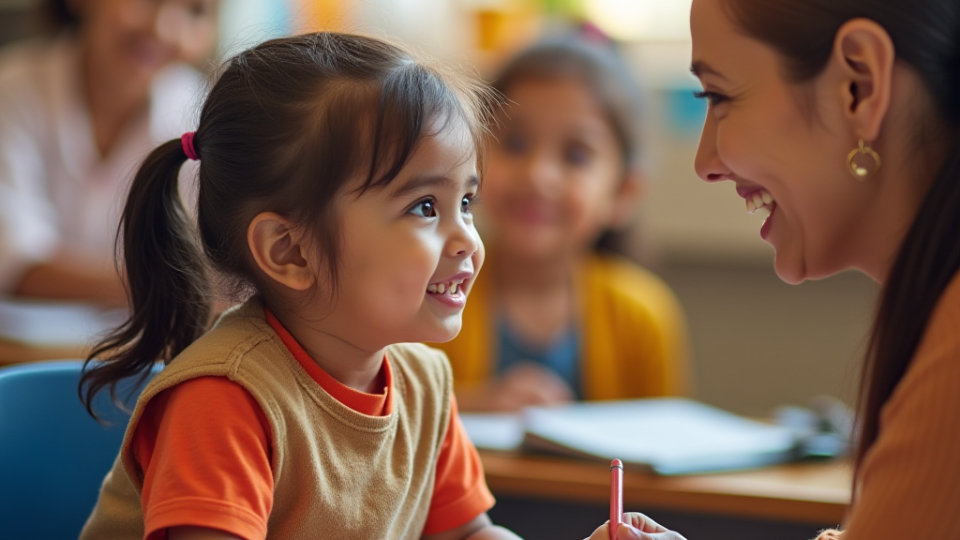
The teacher smiled warmly and asked, “What’s your name?”
My child stared at her silently.
The teacher tried again.
Silence.
Then my child pointed at a colorful fish tank in the classroom and proudly announced, “Fish!”
The teacher laughed. I wanted to disappear into the floor.
Looking back now, that moment taught me something important: school admission interviews are not about finding the smartest child. They are about understanding the child behind the answers.
If you’re preparing for a nursery, preschool, kindergarten, or primary school admission interview, this guide will help you understand what schools look for, how to prepare your child naturally, and how to avoid common mistakes that many parents make.
What Happens During a School Admission Interview?
One of the biggest misconceptions among parents is that admission interviews are mini-exams.
Most schools are not looking for children who can recite encyclopedias.
Instead, they want to observe:
- Communication skills
- Confidence
- Social interaction
- Listening skills
- Curiosity
- Basic awareness
- Parent involvement
For younger children, the interview often feels more like a friendly conversation or play session.
Teachers may show pictures, toys, colors, animals, or shapes and simply observe how your child responds.
The goal is not perfection.
The goal is potential.
Best Schools in India : The Most Complete Parent’s Guide to Choosing the Right School
Why Schools Conduct Admission Interviews
Schools want to understand whether:
- The child is developmentally ready for the class.
- Parents have realistic expectations.
- The child can adapt to a school environment.
- The school and family are a good fit for each other.
Think of it as a two-way conversation.
The school is evaluating your child, but you are also evaluating the school.
The Funny Reality of School Interviews
Children are wonderfully unpredictable.
A friend once spent two weeks teaching her daughter to answer:
“What is your father’s profession?”
On interview day, the teacher asked the question.
The little girl confidently replied:
“My daddy works on a laptop and drinks coffee.”
Honestly, that description fit perfectly.
Another parent told me their son was asked:
“What is your favorite fruit?”
Instead of answering, he asked the teacher:
“What is your favorite fruit?”
The teacher laughed and started a conversation.
Children don’t always follow scripts, and that’s completely normal.
Teachers see these situations every day.
Common Questions Asked to Children
Schools may ask simple questions such as:
- What is your name?
- How old are you?
- What are your parents’ names?
- Do you have siblings?
- Which color do you like?
- What is your favorite animal?
- What is your favorite fruit?
- Can you identify shapes?
- Can you identify numbers?
- Which rhyme do you know?
- Which story do you like?
- What games do you play?
Remember, schools are not expecting advanced academic answers from young children.
They simply want to see how children communicate.
How to Prepare Without Making It Feel Like a Test
This is where many parents go wrong.
They turn preparation into an intense training program.
Children quickly become bored, stressed, or resistant.
Instead, make learning part of everyday life.
During Meals
Ask:
- What color is your plate?
- How many apples are there?
- Which fruit do you like today?
During Walks
Ask:
- Can you see a dog?
- What sound does a bird make?
- Which flower is your favorite?
During Playtime
Practice:
- Sorting colors
- Identifying shapes
- Counting toys
- Learning greetings
Children learn best through play.
Focus on Confidence, Not Memorization
One of the biggest mistakes parents make is forcing children to memorize answers.
Memorized answers often sound unnatural.
Teachers can usually tell when a child is repeating rehearsed responses.
Instead, encourage natural conversation.
Teach your child to:
- Smile
- Make eye contact
- Listen carefully
- Answer comfortably
- Ask questions when curious
Confidence matters far more than perfect answers.
Skills Schools Appreciate
Many schools value practical skills just as much as academic knowledge.
These include:
Independence
Can your child:
- Eat independently?
- Carry a small bag?
- Put away toys?
- Follow simple instructions?
Social Skills
Can your child:
- Share toys?
- Take turns?
- Greet people?
- Interact politely?
Emotional Readiness
Can your child:
- Stay calm in new situations?
- Spend time away from parents?
- Follow classroom routines?
These skills often make a stronger impression than knowing the alphabet backward.
Questions Schools May Ask Parents
Many admission interviews include a discussion with parents.
Common questions include:
Why Did You Choose This School?
Schools want to know whether you researched their programs and values.
Avoid generic answers.
Instead, mention specific reasons such as:
- Teaching approach
- Academic standards
- Extracurricular activities
- School culture
What Are Your Expectations?
Be realistic.
Every parent wants their child to succeed.
Schools appreciate balanced expectations.
What Are Your Child’s Strengths?
Examples include:
- Creativity
- Curiosity
- Kindness
- Communication
- Independence
What Areas Need Improvement?
Don’t say your child has no weaknesses.
Every child is still learning.
Honest answers demonstrate self-awareness.
My Biggest Admission Interview Lesson
Before one interview, I practiced questions with my child every evening.
I felt prepared.
Then the teacher asked:
“What do you enjoy doing at home?”
Instead of giving any of the answers we had practiced, my child proudly said:
“Making a mess.”
Unfortunately, that answer was completely accurate.
The teacher smiled.
I smiled.
The interview continued.
Children often reveal their true personalities, and that’s exactly what schools want to see.
Interview Day Checklist
Before leaving home, make sure you have:
- Admission form
- Photographs
- Birth certificate
- Address proof
- Previous school records (if applicable)
- Water bottle
- Small snack
Also remember:
- Arrive early.
- Dress comfortably.
- Avoid rushing.
- Keep the atmosphere positive.
A calm parent usually helps create a calm child.
What Parents Should Never Do
Don’t Compare Your Child
Avoid statements like:
“Look how well that child is answering.”
Comparisons create unnecessary pressure.
Don’t Threaten
Avoid:
“If you don’t answer properly, no ice cream.”
Children already feel nervous.
Threats increase anxiety.
Don’t Bribe
Promises such as:
“Answer all questions and you’ll get a giant toy.”
can make children focus on rewards instead of the experience.
Don’t Correct Every Answer
Let your child speak naturally.
Constant interruptions reduce confidence.
What If My Child Refuses to Speak?
This is one of the most common worries among parents.
And yes, it happens.
Some children become shy around strangers.
Others need time to warm up.
Most experienced teachers understand this.
If your child remains quiet:
- Stay calm.
- Don’t force answers.
- Allow the teacher to engage naturally.
- Give your child time.
A few minutes of silence does not determine your child’s future.
What Schools Really Want
After speaking with teachers and parents over the years, one message appears repeatedly.
Schools are not looking for perfect children.
They are looking for children who are:
- Curious
- Friendly
- Ready to learn
- Comfortable exploring new experiences
And they are looking for parents who are supportive partners in their child’s education.
Frequently Asked Questions
How long do school admission interviews usually last?
Most preschool and kindergarten interviews last between 10 and 30 minutes.
Should I teach my child reading and writing before the interview?
Basic exposure is helpful, but schools usually do not expect advanced reading and writing skills from very young children.
What should my child wear?
Comfortable, neat clothing is best. Avoid outfits that make children uncomfortable.
Is it okay if my child feels shy?
Absolutely. Many children are shy in unfamiliar environments.
Can a child fail a school admission interview?
Most interviews are assessment tools rather than pass-or-fail tests. Schools look at overall readiness and compatibility.
Final Thoughts
If your child answers every question perfectly, wonderful.
If your child suddenly forgets their own name, starts talking about dinosaurs, or becomes fascinated by a classroom fish tank instead, that’s okay too.
School admission interviews are only a small part of a much bigger journey.
The qualities that truly matter—kindness, confidence, curiosity, resilience, and a love of learning—cannot be measured in a few minutes.
As parents, our goal isn’t to create perfect interview candidates.
Our goal is to raise happy, confident children who are excited to learn and explore the world around them.
And that is something far more valuable than any interview score.